Tag: mcdougall


  • A Guide to Optimal Well-being

    The great news is that the cause of breast and prostate cancers are already known along with heart disease, type 1 and type 2 diabetes, rheumatoid arthritis and other "diseases of affluence".

    Professor Michael Brown, the Nobel prize winner in 1985 stated, “It turns out to be a lot easier to do the science than to change people’s behaviour“. He stated that we do not need any more research, drugs or stem cells and that we can solve the majority of our “diseases of affluence right now“.

    I have a poster at my local Organic Store. Several people have approached me and told me that they life has changed remarkably (for the better) after changing their diet as a result of reading my material. Two were really, really angry - wanting to know why their expensive and ineffectual medical specialists were unable to have any impact on their health when they were able to make profound changes in a very short period of time based only on what they ate.

    Imagine the impact on our society if this information was readily available. It could be Walkley Award material for a dedicated and inquistive journalist as well as being one of the major achievements of the life of political leaders.

    Read more ⇒

  • Brief Overview of WFPB Diets

    Humans (or apes) did not evolve to eat any animal-derived products. Chimpanzees are the most omnivorous of all the apes and derive 5% of the diet from animals – mostly live termites which we do not find very appealing.

    On the right panel of every page of my website, there is a green “Videos” button with several videos explaining why a whole-food, plant-based nutrition works.

    If you view them it will show what is possible. Consider Katherine Lawrence story. She cured her endometriosis (which has the same cause as breast cancer) within 7 weeks by changing what she ate.

    Dr. Tony Sattilaro cured his aggressive cancer. After 10 years, he decided he was cured and he could revert back to his old diet. It did not work.

    Read more ⇒

  • Ruth Heidrich, Hawaiian Athlete and Breast Cancer Reversal

    At the age of 47, Ruth Heidrich was diagnosed with breast cancer. The cancer had spread throughout her breast and into her bones and one lung. The prognosis was not good.

    As a result of a 1982 study instigated by Dr. John McDougall, Ruth commenced a low-fat, vegan diet without chemotherapy, radiation or hormone blockers. The results of the dietary change were profound and the cancers were completely reversed.

    Read more ⇒

  • Additional Reading

    Below is a list of excellent books that examine the advantages (and disadvantages - there are not any) of eating a whole-food, plant-based diet.

    Read John Robbins’s incredible story about The Pig Farmer from Iowa that is moving and transforming.

    Read more ⇒

  • Wheat and Inflammation

    William Davis is largely responsible for the low-wheat, low-gluten diets with the publication of his book Wheat Belly. In this book he states that we live in a ‘whole grain world’ and that wheat is responsible for the majority of our modern illnesses including wheat.

    Find out what the role of wheat is in inflammation.

    Read more ⇨

  • Information About Breast, Endometrium and Ovarian Cancers

    There are hundreds, if not thousands, of papers in peer-reviewed medical journals dating back to the mid 1980s relating to the causes and preventative of breast, cervical, ovarian, endometrial and corpus uterine cancers. Unfortunately, this information is generally not read by medical practitioners, specialists or health support organisations.

    For example, a 1982 paper (more than 4 decades ago) states that "the concept that hormones can cause human cancer, is most developed for the four hormone-related cancers which are breast, prostate, endometrium, and ovary".

    Read more ➱

  • Multiple Sclerosis and Roy Swank

    Roy Swank discovered a dietary connection with multiple sclerosis in the late 1940s following studies in Norway. He instigated a study that followed a group of multiple sclerosis patients for 34 years. He wrote a book, The Multiple Sclerosis Diet Book: A Low-Fat Diet for the Treatment of M.S.

    No other treatment plan has come close to achieving the results that Swank achieved.

    Read more ➱

  • The Keto diet slays the opposition? – not true

    An article titled, How the Keto diet – even without exercise - slays the opposition, by Derek Beres was published on Think Big website on 11th December 2017.

    The Gibas study quoted by the article claims that ketosis is a useful and valid tool to control metabolic syndrome, diabetes and obesity.

    Read more ⇨

  • The Ketogenic Disadvantage

    Several studies have been published comparing low-carbohydrate, ketogenic diets with low-fat diets, mostly regarding the treatment of diabetes in overweight and obese participants. Prominent researchers in this field are Richard Feinman, Stephen Phinney, Mary Vernon, Jeff Volek, Eric Westman, and William Yancy—all supporters of low-carbohydrate dietary regimes.

    Ketosis occurs during starvation. It is not a normal, healthy condition. No animal species or human society normally lives in a state of ketosis. Ketosis occurs when fat in the body is utilized to obtain energy in the absence of glucose. Glucose is normally obtained from the digestion of carbohydrates. Ketosis results in the production of ketones—acetone being one of the three types of ketones produced during ketosis. Blood acidity rises with an increase in ketones.

    During pregnancy, ketosis has been linked to adverse outcomes for the unborn child.

    Ketogenic diet trials almost invariably compare a ketogenic diet with a mislabeled “low-fat, high-carbohydrate” diet. Both the control diet and the ketogenic diet are not healthy diets—the participants are far from healthy at the start of the trial or at the conclusion.

    The ketogenic trials appear to assume that the only criteria for a healthy diet is the ratio of fat, carbohydrate, and protein. Many other components are important for health such as fiber, refined sugars, phytonutrients, and protein sources.

    Read more ➱

Search


WHO's recommendations on saturated fat are out of date, expert team says.
However, the study has been funded by the dairy and beef industries.
Discover how industry-funded research is deceiving the public.
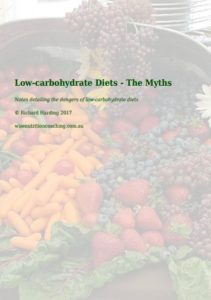


Low-carboydrate Diets - The Myths Why are Eggs NOT OK? Dairy and Wheat - What you did not know Carbohydrates DO NOT cause diabetes
Truth and Belief
Low-carbohydrate Mania: The Fantasies, Delusions, and Myths

Center for Nutrition Studies

Center for Nutrition Studies