Tag: diabetes


  • Animal and Plant Protein – Leucine and Telomeres

    Leucine is an amino acid that is much more prevalent in animal-based diets than plant-based diets. The leucine is found in the high concentrations, measured in grams per kCal of energy, in beef (0.021), egg white (0.021), isolated soy protein (0.020), poultry (0.018) fish (0.018), spirulina (0.017), lamb (0.014) parmesan cheese (0.010), tofu (0.008), soy beans (0.007).

    Aglets are the caps on shoelaces that stop them from unraveling. Our chromosomes have telomeres that perform the same function - they stop our chromosomes from unravelling. The longer they are, the longer the cells survive and the longer we live. An animal-based diet results in shorter telomeres than those on a plant-base diet. Leucine is the amino acid responsible for this.

    Read more ⇒

  • Comparison of Dairy Milks with Human Milk

    Milks are complex lipid emulsions in water containing protein, fat, lactose, vitamins and minerals, as well as enzymes, hormones and immunoglobulins which provide initial immunity functions.

    There is approximately 5,500 species of mammals which initially supply their young with milk. There are vast differences in milk composition among the mammal species. Of all the mammals, humans have the lowest protein content.

    Mammals have evolved over millions of years to provide nutrition for their infants in the first stage of life. There are significant difference between species depending upon factors such as rates of growth.

    Proteins in human milk provide sufficient of protein to sustain infants for the first six months without any additional food, as well as supplying the means of establishing suitable environment for the growth of healthy intestinal bacteria and providing the proteins involved in the immune system.

    Human milk is supplied to babies when the need for protein is at the greatest. Babies double in size during the first 6 months of our lives. The ideal food for a baby is mum’s milk where 5% – 6.5% is protein. This should offer reassurance that as long as we a consuming an adequate diet, we do not need a high protein diet.

    Read more ⇒

  • Is It Healthy? What are we Comparing

    When we ask the question Is it Healthy?, we need to consider is it healthy compared to what.

    Read more ⇨

  • How do Your Genes Affect Obesity and Diabetes Supplement

    A popular area of research is to determine genetic causes of obesity, diabetes, heart disease, autoimmune disease, depression and any other illness or condition that is plaguing our society. Proposed genetic solutions will result in expensive and profit-driven procedures that do not solve the primary cause of the problem.

    This area of research ignores the fact that often our genetic code does not determine health outcomes and it will not solve the problems of our society’s rapidly failing health.

    Frequently the problem is not that complicated.

    Read more ⇒

  • Summary of Dr James Muecke Australian of the Year 2020

    There has been 7 articles in the Newcastle Herald during December 2021 and January 2022 relating to Dr James Muecke and Dr Peter Bruckner, a sport’s medical clinician, on how to prevent and cure diabetes with an animal-based diet that is high in fat and low in carbohydrates. Muecke and Bruckner both state that we should be eating more eggs, cheese, meat and dark chocolate to minimise diabetes, its associated blindness (diabetic retinopathy) and diabetic neuropathy.

    One of these articles was an editorial “The pandemic should be all the impetus we need to properly address diabetes, the other silent assassin in our midst” urging people to address diabetes by adopting Dr Muecke and Dr Bruckner’s recommended diets.

    Their recommendations are killing people.

    Read more ⇒

  • The Cause of Type 2 Diabetes

    The cause of type 2 diabetes has been known since at least the 1920s.

    In 1923, Dr. P.J. Cammidge wrote "that one of the commonest causes of a seeming progressive failure of carbohydrate tolerance was a conscious or unconscious increase in the fat of the diet."

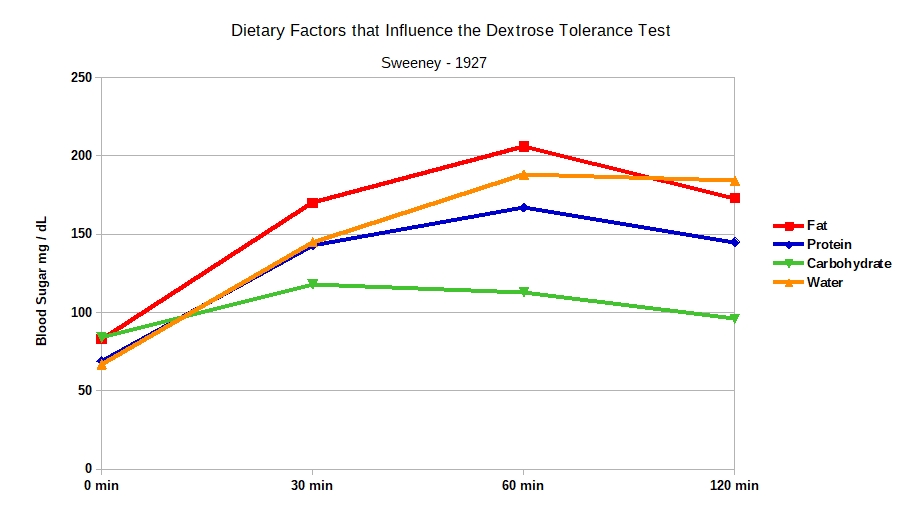
    J.S. Sweeney wrote two papers in 1927 and 1928 that showed high-fat and high-protein diets increase insulin resistance.

    Sir Harold Himsworth (1905–93) was a renown medical doctor and researcher. He was appointed Professor of Medicine at the University of London in 1939. He is best known for his work on diabetes although he had many other interests including the effects of radiation, tropical medicine and epidemiology.

    Himsworth presented a paper in 1935,

    "Showing the different diets eaten by different races, nations and social classes throughout the world and a close correlation has been demonstrated between dietary preference and the incidence of diabetes mellitus. [...] A high proportion of carbohydrate and low proportion of fat were found in all cases to be associated with low diabetic incidence, whilst a low proportion of carbohydrate and a high proportion of fat were associated with a high incidence."

    Read more ⇨

  • The PURE Study Myths

    Dr James Muecke is the Australian of the Year in 2020 which was awarded for his work as an eye-surgeon and his work in preventing blindness.

    Muecke believes that we should be eating more eggs, cheese, meat and dark chocolate to minimise diabetes, its associated blindness (diabetic retinopathy) and diabetic neuropathy. Peripheral diabetic neuropathy is nerve damage of the limbs that is caused by diabetes. 50% of adults with type 2 diabetes have peripheral neuropathy. It can result in pain, numbness and an increase in sensitivity. Diabetes account for more than 80% of amputations.

    Muecke cites the PURE Study to justify his low-carbohydrate, high-fat, animal-based diet.

    The PURE Study is an observational study in 27 countries that examined 225,000 people. The study period is 20 years.

    Read more ⇨

  • DFN – Food Vitals Webinar on 26 July 2021

    One thing that psychology has taught us is that people do not make choices based on logic and evidence but feelings and emotions. Any basic marketing course teaches us to “sell the sizzle, not the sausage”.

    Michael Greger has an incredible video about his grandmother Francis and John Robbins tells a deeply moving story about “The Pig Farmer”. Links to both are on my website. This is what changes people behaviour – not another journal reference or graph. I still cannot get through either without crying.

    I have several testimonials from people who have transformed their lives – despite opposition from the medical profession.

    On the 4th July 2019, the ABC (Australian Broadcasting Corporation) published this news item as its top news story.

    World Health Organisation’s recommendations on saturated fat are out of date, expert team says.

    This article was based on an article, WHO draft guidelines on dietary saturated and trans fatty acids: time for a new approach? It was published in THE BMJ the previous day, written by Arne Astrup and 17 colleagues. These popular commentators are very well organised.

    At the end of Astrup’s article, the evidence for including eggs, chocolate, cheese, and meat is listed, which matches the needs of their corporate sponsors.

    No amount of bar graphs or references will compete with a picture of a delicious burger, complete with eggs and chips.


    Dr Shireen Kassam is a Consultant Haematologist and Honorary Senior Lecturer at King’s College Hospital, London with a specialist interest in the treatment of patients with lymphoma (cancer of the lymphatic system). She is also passionate about promoting plant-based nutrition for the prevention and reversal of chronic diseases and for maintaining optimal health after treatment for cancer.

    When Shireen introduced herself at the beginning of her Food Vitals Webinar on 26th July 2021, she stated that she and her husband were vegan for over 7 years (which makes it about about 2014). At the end of her talk, she stated that her haematologist husband did not embrace her vegan lifestyle until after COVID-19 in March 2020 – some 4 years later, when his BMI was 30.2, weight was 87 kg, cholesterol 6.5 mmol/L and blood pressure 145/88.

    If it takes a specialist medical doctor 4 years to embrace his wife’s lifestyle with all the evidence that she can present, then it does not bode very well for the rest of the population.

    Read more ⇒

  • Getting Started on a Whole-Food, Plant-Based Diet

    Below are notes on commencing a whole-food, plant-based diet that is the most advantageous for losing weight and becoming healthy.

    For some, this can be very daunting because it involves changes to shopping, cooking, eating out as well as family and community relationships.

    A lot of life is about habits – once you change a habit then it becomes the new “normal”.

    Read more ⇒

  • South Australia Department of Health – Dr James Muecke Communication

    A letter was sent to the South Australian Department of Health on the 11th January 2021 after they declined to investigate the claims of Dr James Muecke, the Australian of the Year in 2020.

    He is trying to convince Australians to eat more meat, eggs and dairy to prevent diabetes, diabetic retinopathy and neuropathy.

    Australia is ranked number 2 in meat consumption, just behind United States but in front of Argentina, Uruguay, Brazil and New Zealand.

    The response stated that they can only address specific cases. The unsubstantiated claims of Muecke can continue to be disseminated to the detriment of our health.

    Read more ⇨


Search


WHO's recommendations on saturated fat are out of date, expert team says.
However, the study has been funded by the dairy and beef industries.
Discover how industry-funded research is deceiving the public.
Low-carboydrate Diets - The Myths Why are Eggs NOT OK? Dairy and Wheat - What you did not know Carbohydrates DO NOT cause diabetes
Truth and Belief
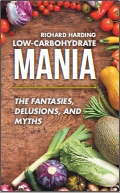
Low-carbohydrate Mania: The Fantasies, Delusions, and Myths

Center for Nutrition Studies

Center for Nutrition Studies