Tag: food


  • Eye Cataracts and Diet

    There are four eye disease in the US that accounts for 75% of the cases for blindness and 85% of cases of visual impairment for adults 40 years and older in the US.

    Age-related macular degeneration (AMD), cataracts, diabetic retinopathy – blood vessels in the retina leak fluid or bleed caused by diabetic complications and glaucoma - slow clogging of the drainage canals which results in increased eye pressure.

    The effect of diet on eye health is much greater than expected given the amount of attention paid to the effect of sunlight on both our eyes and our skin.

    Read more ➱

  • Michael Mosley and Coconut Oil

    Dr Michael Mosely (Trust Me, I’m a Doctor) instigated a trial to determine the impact of coconut oil on cardio-vascular health.

    In a University of Cambridge study, 94 participants were randomly assigned to one of three groups. They were asked to consume an additional 50g of fat – either coconut oil, butter or olive oil, daily for a period of four weeks.

    The main measure was the change in total cholesterol.

    Based on this study, Michael Mosley now thinks that coconut oil may be good for you. The study showed nothing to suggest that this could be true.

    Read more ➱

  • Bats, Fish and Amyotrophic lateral sclerosis (ALS)

    Amyotrophic lateral sclerosis (ALS) is a type of motor neuron disease, a group of rare neurological diseases that mainly involve the nerve cells (neurons) responsible for controlling voluntary muscle movement. Voluntary muscles produce movements like chewing, walking, and talking.

    Despite dozens of studies being published linking ALS with neurotoxins that can be found in fish, it is unlikely that you will hear this information from a doctor or motor neuron disease support groups.

    Read more ➱

  • Robert Lustig and The Men Who Made Us Fat

    Robert Lustig is a pediatric endocrinologist at the University of California, San Francisco. He is the author of Fat Chance: Beating the Odds against Sugar, Processed Food, Obesity, and Disease. He specializes in childhood obesity and studying the effects of sugar in the diet. He is the director of the UCSF Weight Assessment for Teen and Child Health Program and a member of the Obesity Task Force of the Endocrine Society.

    Unfortunately, much of what he says is simply wrong, which given the amount of media exposure that he receives, is deeply worrying.

    Read more ➱

  • Nutrients Lost When Food is Processed

    A significant amount of nutrients may be lost when food is processed. Below are two charts showing the proportion of selected nutrients found in white rice compared with brown rice and white wheat flour compared with whole wheat flour.

    Often white wheat flour is enriched to attempt to make up for the nutrients removed.

    White rice and white wheat flour are created when the hull, bran layer and cereal germ removed. The germ is part of the grain that germinates to create a seedling.

    Storage life is increased due to the removal of oils and nutrients.

    Read more ➱

  • Production and Consumption of Grains in Australia

    A comprehensive report of the production and end use of grains in Australia is produced annually for the Feed Grain Partnership that represents stock feed producers and consumers.

    Below are some details regarding production and the use of Australian grains.

    Read more ➱

  • Dairy and Wheat – Obtain your copy

    The CSIRO (an Australian government research organisation) reports that, “as many as 1 in 10 Australian adults were avoiding or limiting their consumption of wheat-based products. Over half of those…

  • The A2 Milk Story

    The hypothesis that A2 milk was protective of type 1 diabetes originated with a paper published in 1992. Robert Elliott observed much lower rates of type 1 diabetes amongst Polynesian children that were raised on the Polynesian islands compared with those raised in Auckland. This was attributed to the differences in the β-casein profile.

    Elliott was the lead author of a conference paper that examined the effects of feeding casein to non-obese diabetic (NOD) mice. The conclusion was that “the induction of diabetes by casein in the NOD mouse appears to be restricted to casein containing the A1 variant of beta-casein”.

    The marketing potential of such a discovery could be enormous.

    Read more ➱

  • The Nature of Food Allergies

    Food allergies have become a major concern with parents, health practitioners and school administrators. However, the estimates of prevalence of allergies varies widely.

    A commonly accepted definition is an “adverse immune response that occurs reproducibly on exposure to a given food and is distinct from other adverse responses to food, such as food intolerance, pharmacologic reactions, and toxin-mediated reactions.

    However, most people are not going to make such a fine distinction between food allergy and food intolerance. Non-celiac gluten-sensitivity (NCGS) does not cause an IgE response so with this definition it not classed as a food allergy.

    Dairy, in particular, cow’s milk and gluten, wheat and grains are commonly avoided as a result of concerns about food allergies.

    Read more ➱

  • Why Eggs are Not OK – Obtain your copy

    The nutritional benefits of eggs is highlighted in the Australian Eggs’ OK Everyday campaign. Just how accurate is the assertion that “Eggs aren’t just delicious, they’re incredibly nutritious. There’s a…


Search


WHO's recommendations on saturated fat are out of date, expert team says.
However, the study has been funded by the dairy and beef industries.
Discover how industry-funded research is deceiving the public.
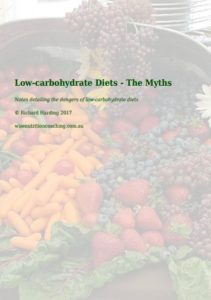
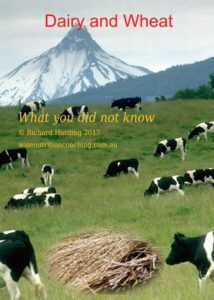
Low-carboydrate Diets - The Myths Why are Eggs NOT OK? Dairy and Wheat - What you did not know Carbohydrates DO NOT cause diabetes
Truth and Belief
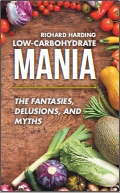
Low-carbohydrate Mania: The Fantasies, Delusions, and Myths

Center for Nutrition Studies

Center for Nutrition Studies